Understanding the underlying psychology of gambling behaviors in casinos
The Allure of Chance
The psychology behind gambling behaviors in casinos is deeply rooted in the allure of chance. This concept is often tied to the excitement of risk-taking and the thrill of uncertainty. Many gamblers find the unpredictable nature of gambling to be exhilarating, as it provides an escape from their daily routines. The anticipation of winning can trigger a release of dopamine, a neurotransmitter associated with pleasure, leading to a heightened emotional state that makes gamblers return for more. In Australia, many enjoy the experience at an australian online casino, which adds a modern twist to traditional gaming.
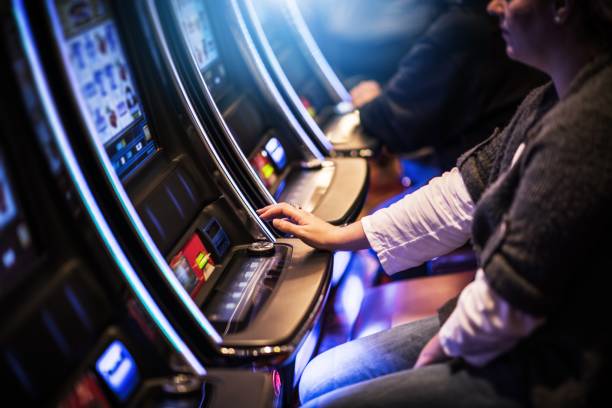
Additionally, casinos are designed to enhance this experience. The vibrant lights, engaging sounds, and enticing aromas create an immersive environment that stimulates the senses. This sensory overload can further drive gamblers to lose track of time and money, reinforcing the cycle of behavior. Understanding the psychological motivations behind these feelings can help us comprehend why individuals repeatedly engage in gambling, even when they are aware of the risks involved.
The Role of Cognitive Biases
Cognitive biases significantly impact gambling behavior, influencing how individuals perceive their chances of winning. One common bias is the illusion of control, where gamblers believe they can influence the outcome of a game through skill or strategy, even in games of pure chance. This misconception can lead to increased gambling and potential addiction, as individuals may continue to play under the false belief that they can ‘turn their luck around’.
Another prevalent cognitive bias is the gambler’s fallacy, where individuals assume that past events will affect future outcomes. For instance, a player might think that after a series of losses, they are ‘due’ for a win. These biases can perpetuate gambling behaviors and lead to poor decision-making, ultimately affecting a person’s financial stability and mental health. Recognizing these cognitive pitfalls is crucial in understanding why people engage in gambling despite its inherent risks.
The Impact of Social Environment
The social environment in which gambling takes place can significantly influence behavior. Casinos often serve as social hubs where individuals gather to share experiences and build connections. The presence of peers can create a sense of camaraderie, encouraging people to gamble together and heightening the thrill of winning or losing. This social aspect can make gambling more appealing, as it provides not only entertainment but also an opportunity for social interaction.
Additionally, peer pressure can exacerbate gambling behaviors. Individuals may feel compelled to continue playing to fit in or avoid being judged by their friends. The combination of social influence and the desire to maintain one’s image can lead to increased gambling activity and even addiction. Understanding these social dynamics helps shed light on the complex nature of gambling behaviors in casinos.
The Psychological Effects of Gambling
Gambling can have profound psychological effects on individuals, ranging from excitement and pleasure to anxiety and depression. For many, the act of gambling serves as a temporary escape from life’s pressures, providing a momentary thrill that distracts them from their worries. However, this escapism can quickly turn into a double-edged sword, as the consequences of gambling can lead to increased stress and emotional turmoil when losses occur.
Moreover, the risk of developing gambling disorders is a significant concern. The compulsion to gamble, despite adverse effects on personal and financial well-being, can have devastating impacts on an individual’s life. Understanding these psychological effects is crucial for both gamblers and their loved ones, as it allows for more effective interventions and support systems to be put in place for those struggling with gambling-related issues.

Website and Resources for Gambling Awareness
This website is dedicated to promoting awareness and understanding of gambling behaviors, focusing on the psychological factors at play. By exploring the underlying motivations and cognitive biases that drive gambling, we aim to provide valuable insights for both individuals and their families. Educating oneself about these aspects is an essential step in fostering responsible gambling practices.
In addition to offering information, this platform also serves as a resource for those seeking help with gambling-related issues. By understanding the psychological elements of gambling, individuals can better navigate their behaviors and make informed decisions about their gambling habits. We encourage open discussions and provide guidance to foster a healthier relationship with gambling for everyone involved.